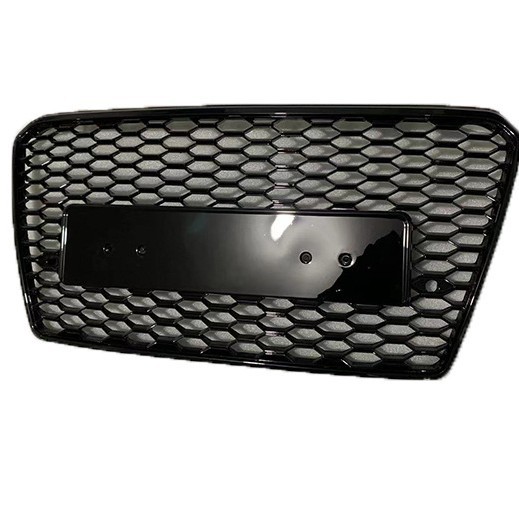
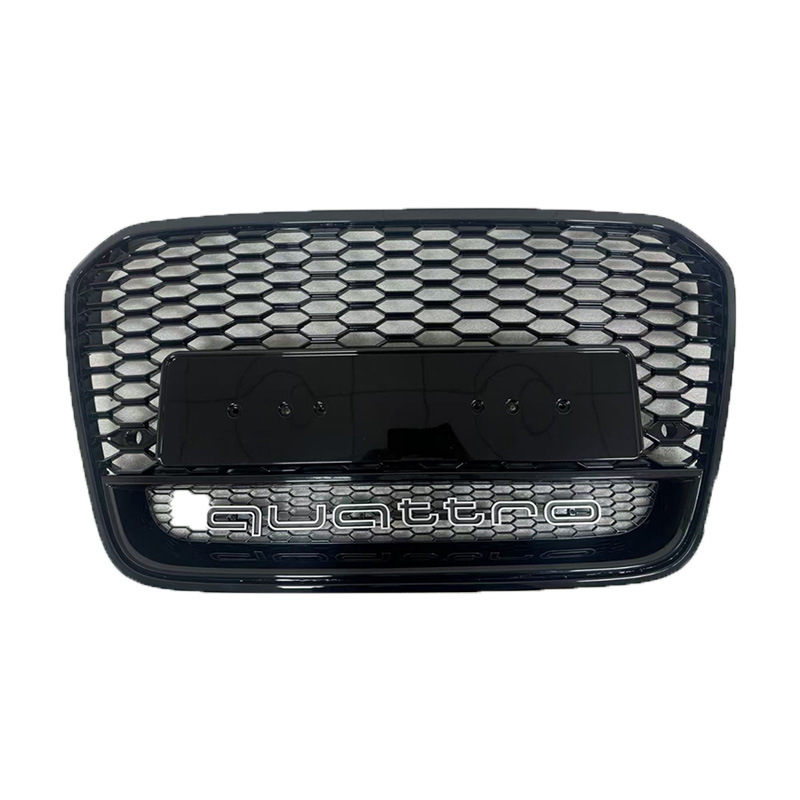
Popular: Audi A3 (8V / 8Y)Audi A5 (B8 / B9)Audi A4 (B8 / B9)Audi A6 (C7 / C8)Audi Q3 (8U / F3)Audi Q5 (8R / FY)
The anti-lock braking system (ABS) automatically adjusts the hydraulic pressure in the brake lines according to wheel speed, keeping every wheel in a controlled slip state — rolling while on the verge of locking. Under emergency braking it applies and releases the brakes in rapid cycles, brake–release–brake, to avoid danger. [1] ABS pulses the brakes roughly 6–10 times a second and replaces human modulation with electronic control: it prevents wheel lock-up so that the wheels keep maximum braking force while steering stays responsive. When a wheel is about to lock, braking force is reduced; when it is not about to lock, braking force is increased — repeated continuously for the best possible braking effect.
The system shortens the stopping distance and keeps steering effective throughout braking. In an emergency stop it makes full use of the tyre’s peak adhesion, improves resistance to sideways slip, shortens the braking distance and delivers maximum braking efficiency.
If the ABS develops a fault while driving, the warning lamp lights up and you should stop and have it repaired promptly. Common ABS service procedures:
1. Depressurising the ABS. Switch the ignition off (OFF) and pump the brake pedal more than 20 times; when pedal effort rises noticeably — that is, when you no longer feel hydraulic assist — the system is depressurised. Depressurise before servicing any of the following: any device in the hydraulic control unit, the accumulator, the electric pump, the solenoid valve body, the brake fluid reservoir, the pressure warning and control switch, the rear proportioning valve, the rear wheel cylinders, the front calipers and the high-pressure brake lines.
2. Replacing the ABS control module. Fit a known-good module in place of the original and observe how the system behaves; comparing the two shows whether the original module is faulty. Switch the ignition off, disconnect the harness plugs from the module, fit the good module, reconnect all plugs and switch the ignition on. Start the engine: the red brake lamp and the ABS lamp should show that the system is normal.
3. Adjusting the wheel speed sensors. A dirty sensor connector, or an air gap outside specification, makes a sensor work poorly and it should be adjusted to restore normal operation. The sensor can be adjusted by pressing a paper shim against the end face of the sensor head; as the car is driven and the sensor ring rotates, the paper shim wears away naturally.
Previous:
Next:
Contact Us
Want to know more about our products? Leave your name, phone number and message on the right and our team will get back to you shortly. You can also email us and we will reply as soon as possible.
Scan to follow us